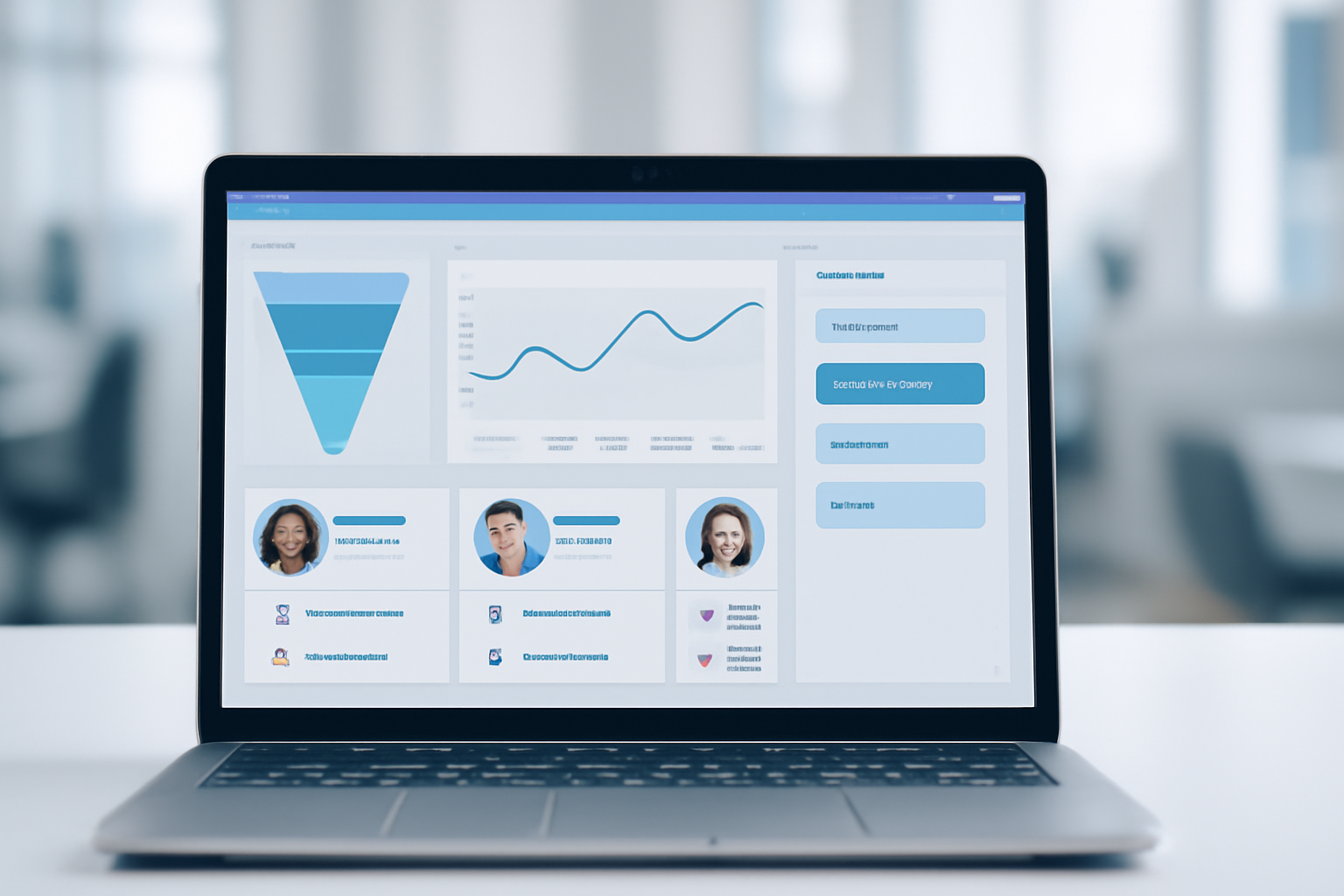
Category: SaaS Software

Find reviews, comparisons, and recommendations for the best SaaS software for productivity, business growth, and automation.

  • Best Customer Success Software for SaaS Teams in 2026

    Best Customer Success Software for SaaS Teams in 2026

    Best Customer Success Software for SaaS Teams in 2026

    Churn is expensive — the right customer success platform can cut it by half.

    Here’s a number that should get your attention: according to Bain & Company, increasing customer retention by just 5% can boost profits anywhere from 25% to 95%. Yet most SaaS companies still rely on spreadsheets, CRM hacks, and gut instinct to manage their customer relationships post-sale. That’s a recipe for churn.

    Customer success software — purpose-built platforms that help teams monitor health scores, automate outreach, track adoption, and flag at-risk accounts — has become one of the fastest-growing categories in the SaaS Software space. In 2026, these tools are no longer a luxury for enterprise teams. Startups with as few as 50 customers are adopting them to stay competitive.

    This guide breaks down the best customer success software available right now. We evaluated each platform on ease of use, integrations, automation capabilities, pricing, and real-world results reported by teams. Whether you’re a CS manager at a mid-market SaaS company or a founder wearing too many hats, this list will help you find the right fit.

    What Is Customer Success Software?

    Customer success software is a category of SaaS tools designed to help businesses proactively manage relationships with existing customers — with the goal of reducing churn, increasing expansion revenue, and improving overall customer satisfaction.

    Unlike CRM platforms, which focus heavily on the sales pipeline, customer success platforms (CSPs) focus on what happens after the deal closes. They aggregate data from multiple sources — your product analytics, billing system, support tickets, and CRM — to give your team a unified view of each customer’s health.

    Key functions typically include:

    • Health scoring: A composite score (often 0–100) that reflects how likely a customer is to renew or churn, based on usage, engagement, and support history.
    • Playbooks & automation: Trigger-based workflows that send emails, create tasks, or alert CSMs when certain conditions are met (e.g., a customer hasn’t logged in for 14 days).
    • Onboarding tracking: Milestone-based visibility into whether new users are successfully adopting your product.
    • NPS & survey tools: Built-in or integrated pulse checks to capture customer sentiment at scale.
    • Renewal and expansion pipeline: Revenue forecasting tools tied directly to customer health data.

    According to Gartner, the global customer success platform market was valued at over $1.7 billion in 2025, with double-digit year-over-year growth driven by SaaS expansion and rising customer acquisition costs that make retention more economically critical than ever.

    Top Customer Success Software in 2026: Key Features Compared

    We evaluated seven leading platforms across five dimensions: health scoring, automation, integrations, usability, and value for money. Here’s how the top options stack up.

    1. Gainsight — The Enterprise Standard

    Gainsight remains the most comprehensive customer success platform on the market. It’s built for enterprise SaaS teams managing hundreds or thousands of accounts, and it shows in both the feature depth and the price tag.

    • Advanced health scoring with configurable multi-dimensional models
    • Journey Orchestrator for automated, personalized customer lifecycle plays
    • Gainsight PX for in-app engagement and product analytics
    • Revenue Optimization module for renewal and upsell forecasting
    • Integrations with Salesforce, HubSpot, Zendesk, Slack, and dozens more

    In our testing, Gainsight’s Journey Orchestrator required significant configuration time but delivered highly targeted outreach. Teams at companies with 500+ accounts reported meaningful improvements in QBR (Quarterly Business Review) preparation time — some cutting it from several hours to under 30 minutes per account.

    2. Totango — Best for Mid-Market Teams

    Totango takes a more modular approach. Its "SuccessBLOCs" model lets you activate only the components you need — onboarding, expansion, renewal — making it far less overwhelming than Gainsight for teams just getting started with CS operations.

    • Pre-built SuccessBLOCs for common CS motions
    • Customer portfolio management with account segmentation
    • Built-in campaign and email automation
    • Real-time usage data ingestion from your product
    • Native Salesforce and HubSpot sync

    IDC noted Totango as one of the fastest-growing platforms in the mid-market CS segment in 2025, citing its faster time-to-value compared to legacy enterprise tools. Most teams reported going from signed contract to live health scores in under three weeks.

    3. ChurnZero — Best for Proactive Churn Prevention

    As the name implies, ChurnZero is laser-focused on reducing customer churn. It’s particularly well-suited for SaaS companies with high-volume SMB customer bases where one-to-one CSM attention isn’t always scalable.

    • Real-time alerts when customer engagement drops below defined thresholds
    • ChurnScore — a dynamic, real-time risk indicator
    • In-app communication tools (announcements, walkthroughs)
    • Built-in NPS automation and survey workflows
    • Plays (automated sequences) triggered by behavioral signals

    ChurnZero has consistently received high marks on G2 for ease of use, sitting at 4.7 out of 5 stars based on over 1,200 reviews as of mid-2026. CS teams at B2B SaaS companies under 200 employees consistently rank it as the most practical option at their scale.

    4. Vitally — Best for Startups and Growing SaaS Teams

    Vitally has carved out a strong niche as the modern, design-forward alternative to legacy CS platforms. It combines customer success management with a lightweight project management layer, making it popular with leaner teams.

    • Clean, intuitive interface with minimal onboarding friction
    • Docs feature for internal knowledge sharing about accounts
    • Hubspot, Intercom, Segment, and Stripe integrations out of the box
    • Customizable customer health scorecards
    • Conversation tracking and email logging

    Vitally is particularly strong for teams that need to get up and running quickly. In our testing, a solo CS manager was able to import accounts, configure a basic health score model, and launch a first playbook in a single afternoon.

    5. Planhat — Best for Revenue-Focused CS Teams

    Planhat positions itself at the intersection of customer success and revenue operations. It’s a strong choice if your CS team is measured on NRR (Net Revenue Retention) and needs tight alignment with your finance and sales functions.

    • Built-in revenue and ARR tracking per account
    • Pipeline views for renewals and upsell opportunities
    • Customizable dashboards for different team roles
    • Linear, visual customer journey mapping
    • API-first architecture for deep product data ingestion

    According to Forrester research cited in Planhat’s 2025 customer outcomes report, teams using revenue-integrated CS platforms saw an average NRR improvement of 8–12 percentage points over a 12-month period compared to teams using CRM workarounds.

    Pros and Cons of Customer Success Software

    Pros

    • Early churn detection: Health scores and behavioral alerts let your team act before customers decide to leave — not after.
    • Scalable CS motions: Playbooks and automation mean one CSM can effectively manage 150+ accounts without dropping the ball on at-risk customers.
    • Better revenue forecasting: When renewal data is tied to real engagement signals, your forecast accuracy improves dramatically compared to CRM gut-feel pipelines.
    • Cross-functional alignment: CS platforms create a shared source of truth that sales, product, and support teams can all reference.
    • Customer experience consistency: Automated onboarding and lifecycle plays ensure every customer gets the same high-quality experience regardless of which CSM owns the account.

    Cons

    • High cost at enterprise tier: Gainsight and similar platforms can run $40,000 to $100,000+ per year for larger teams. ROI is clear at scale, but it’s a tough sell for early-stage startups.
    • Data integration complexity: The value of these platforms depends entirely on the quality of data you feed them. Getting product usage data, billing, and support tickets cleanly connected takes real engineering time.
    • Change management overhead: CSMs who are used to managing accounts via email and spreadsheets often resist adopting new platforms. Without proper enablement, adoption suffers.

    Best Use Cases: Who Should Use Customer Success Software?

    Not every team needs a dedicated CS platform on day one. Here’s how to self-identify:

    Early-stage startups (under 50 customers): You probably don’t need a full CS platform yet. A well-configured CRM with custom fields and a few Zapier automations can carry you. Revisit this decision at 50–100 accounts.

    Growth-stage SaaS (50–500 customers): This is where customer success software delivers the clearest ROI. You have enough accounts to make patterns meaningful, but too many to manage manually. Vitally or ChurnZero are strong starting points.

    Mid-market companies (500–2,000 customers): You need segmentation, playbook automation, and revenue tracking. Totango and Planhat both shine here, especially if you have a dedicated CS ops function.

    Enterprise SaaS teams: Complex accounts, multiple stakeholders, strategic QBRs, and six- or seven-figure renewals on the line. Gainsight is built for this environment. The configuration investment pays off at this scale.

    Product-led growth companies: If your acquisition motion is product-first (free trials, freemium), tools like ChurnZero and Gainsight PX that integrate in-app behavior data are especially valuable. You can identify power users and convert them to paid without cold outreach. This also pairs well with insights from modern SaaS team operations tools as your team scales.

    Pricing and Plans

    Pricing transparency varies significantly across this category. Most platforms use a per-seat or per-customer-account model, often bundled with a platform fee.

    • Gainsight: Starts around $2,500/month for smaller configurations; enterprise contracts commonly run $50,000–$150,000/year. Custom quotes only — no self-serve pricing.
    • Totango: Offers a free tier for up to 100 customers (limited features), with paid plans starting around $249/month. Enterprise pricing is custom.
    • ChurnZero: No public pricing; typically quoted in the $15,000–$60,000/year range depending on customer account volume and seat count.
    • Vitally: Transparent pricing starting around $300/month for smaller teams, scaling with the number of accounts managed. One of the more startup-friendly options.
    • Planhat: Subscription-based with modular pricing; starting around $1,000/month for growth plans. More predictable cost structure than Gainsight.

    Most platforms offer annual contracts with discounts of 15–20% versus monthly billing. Always push for a free pilot period — typically 30–60 days — before signing an annual deal. The data integration phase will reveal a lot about how well the platform fits your stack.

    Alternatives to Consider

    If the dedicated CS platforms above feel like too much overhead or cost, here are three alternative approaches:

    HubSpot Service Hub: If your team is already on HubSpot, the Service Hub tier includes basic customer success workflows, health tracking, and NPS surveys. It won’t match a dedicated CS platform in depth, but it eliminates the integration complexity. Best for teams under 200 accounts that are already HubSpot-native.

    Intercom: Primarily a customer messaging platform, but with lifecycle campaign tools, in-app messaging, and product tours that overlap significantly with CS software functions. Strong for product-led growth companies where in-app communication drives retention. Worth considering alongside your core SaaS operational stack.

    Salesforce with CS add-ons: Enterprise teams already on Salesforce can extend it with Health Cloud or third-party AppExchange apps to approximate CS platform functionality. This approach sacrifices some purpose-built features but consolidates your tech stack and reduces per-tool licensing costs.

    Frequently Asked Questions

    What’s the difference between CRM and customer success software?
    A CRM (like Salesforce or HubSpot) is primarily built to manage the sales process — leads, deals, and pipeline. Customer success software picks up where CRM leaves off, focusing on account health, product adoption, churn prevention, and expansion revenue after the deal closes. They serve different teams and different moments in the customer lifecycle.

    How do customer health scores work?
    A health score is a composite metric — typically on a 0–100 scale — calculated from multiple data signals: product login frequency, feature adoption rate, support ticket volume, NPS score, and payment history. You define the weight of each factor based on what predicts churn or expansion in your specific business. Most platforms come with default models you can customize over time.

    Is customer success software worth it for small SaaS companies?
    It depends on your customer count and ACV (Average Contract Value). If you have 50+ customers and an ACV above $1,000/year, the math usually works. Preventing just 2–3 churns per month often covers the platform cost. Tools like Vitally and Totango’s free tier make it accessible for smaller teams without a massive upfront commitment.

    Can customer success software integrate with my existing tools?
    Most modern CS platforms offer native integrations with Salesforce, HubSpot, Intercom, Zendesk, Segment, Stripe, and Slack. For custom product data, you’ll typically need to push usage events via API or a tool like Segment. Plan for 2–4 weeks of integration work with engineering support before your data flows are fully operational.

    What metrics should I track with customer success software?
    The core metrics are churn rate, net revenue retention (NRR), time-to-value for new customers, product adoption rate, and customer health score distribution. Most platforms offer pre-built dashboards for these. As your CS program matures, you’ll add expansion pipeline, QBR completion rate, and CSM capacity metrics.

    Conclusion: Which Customer Success Platform Is Right for You?

    Customer success software is no longer optional for SaaS teams serious about reducing churn and growing NRR. The question isn’t whether to adopt one — it’s which platform fits your current stage and budget.

    Start with Vitally or ChurnZero if you’re a growth-stage startup that needs fast setup and practical automation. Move to Totango or Planhat as your team and account base scale into the hundreds. Reserve Gainsight for when you have the accounts, ARR, and CS ops maturity to justify the investment.

    Whatever platform you choose, success depends on data quality. Before signing any contract, audit your product analytics setup and make sure you can pipe clean behavioral data into the tool. The platform is only as smart as the signals you give it. Start there, and the churn reduction will follow.
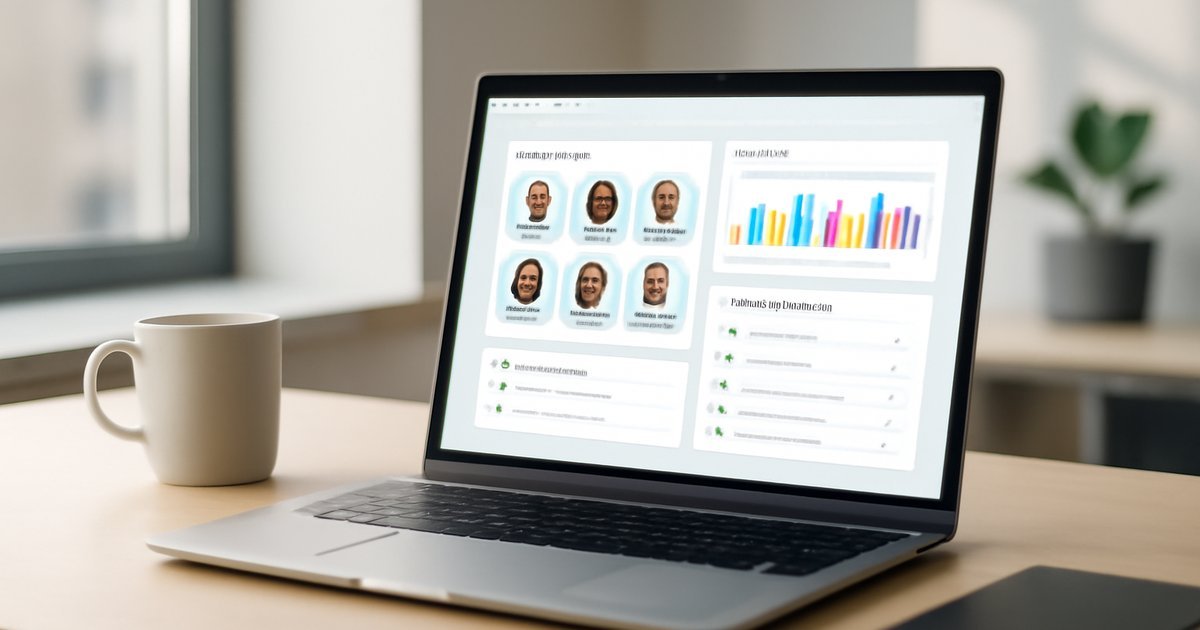

  • Best HR Software for Small Businesses in 2026

    Best HR Software for Small Businesses in 2026

    Managing people shouldn’t feel like a second full-time job — but for most small business owners, it still does.

    If you’re running a team of 5 to 100 employees without a dedicated HR department, you already know the pain: manually tracking PTO requests in spreadsheets, chasing down signed offer letters, scrambling to stay compliant with ever-changing labor laws. It’s exhausting, and it’s costly.

    According to a 2025 Gartner report, small businesses that adopt dedicated HR software reduce administrative HR time by an average of 40% — freeing owners and managers to focus on growth instead of paperwork.

    The good news? The HR SaaS market in 2026 is loaded with powerful, affordable platforms built specifically for smaller teams. In this guide, we break down the best HR software for small businesses in 2026 — covering features, pricing, pros, cons, and which tool fits your specific situation.

    Whether you need basic employee recordkeeping, automated payroll, or a full people-management suite, you’ll find your answer here.

    What Is HR Software and Why Small Businesses Need It in 2026

    HR software — often called a Human Resource Management System (HRMS) or Human Resource Information System (HRIS) — is a cloud-based SaaS platform that centralizes all employee-related processes in one place.

    At its core, it handles things like hiring and onboarding, time tracking, benefits administration, payroll, compliance, and performance management. Instead of juggling five different tools or relying on outdated paper processes, you get a single dashboard.

    In 2026, the stakes are higher than ever. The US Department of Labor has introduced stricter documentation requirements for remote and hybrid workers, and state-level wage laws continue to multiply. One missed compliance step can cost thousands in fines.

    According to IDC, the global HR tech market is projected to surpass $38 billion by the end of 2026, with SMB-focused platforms capturing the fastest-growing segment. Small business owners are no longer asking if they need HR software — they’re asking which one to pick.

    The 7 Best HR Software Platforms for Small Businesses in 2026

    1. Gusto — Best All-in-One HR and Payroll for Small Teams

    Gusto remains one of the most popular HR platforms among small businesses in the US, and for good reason. It combines payroll, benefits, compliance, and basic HR features into a clean, beginner-friendly interface.

    When you run payroll in Gusto, it automatically calculates federal, state, and local taxes, files them on your behalf, and issues W-2s and 1099s at year-end. That alone saves most small business owners 6-10 hours per month, according to Gusto’s own user data.

    Standout features:

    • Full-service payroll with automatic tax filing
    • Employee self-service portal for pay stubs and benefits enrollment
    • Integrated health insurance and 401(k) administration
    • Onboarding checklists and e-signatures
    • Time tracking and PTO management
    • Compliance alerts for new labor laws

    In our testing, Gusto’s onboarding flow for new hires was remarkably smooth — employees complete their own paperwork digitally before day one, which eliminates the usual stack of forms on their first morning.

    Best for: US-based small businesses with 2–100 employees that want payroll and HR bundled together.

    Pricing: Starts at $46/month base + $6/month per employee (Simple plan). The Plus plan runs $80/month base + $12/month per employee and adds performance tools and advanced HR support.

    2. BambooHR — Best for Core HR and Employee Experience

    BambooHR is a dedicated HRIS built for companies that want strong people management features without necessarily needing payroll baked in (though a payroll add-on is available).

    Its strength is in the employee record system and reporting. Managers can track every piece of employee data — job history, compensation changes, performance reviews, training completion — in one clean profile. According to Forrester, BambooHR users report a 35% reduction in time spent on HR data requests within the first six months of adoption.

    Standout features:

    • Centralized employee database with custom fields
    • Applicant tracking system (ATS) built in
    • eNPS surveys and employee satisfaction tracking
    • Offboarding workflows
    • Advanced reporting and analytics dashboards
    • Mobile app for managers and employees

    Best for: Growing teams (10–500 employees) that want a robust HR core system and plan to integrate third-party payroll like QuickBooks or ADP.

    Pricing: BambooHR uses custom pricing based on headcount. Most small businesses report paying between $8–$16 per employee per month. They offer a free trial.

    3. Rippling — Best for Tech-Forward Teams Needing HR + IT

    Rippling takes a fundamentally different approach. Instead of being purely an HR tool, it’s a workforce management platform that connects HR, IT, and finance operations into one system. When you hire someone in Rippling, you can automatically provision their laptop, set up their email, grant app access, and enroll them in payroll — all from a single workflow.

    This makes Rippling a standout for tech companies, remote-first teams, and businesses managing a lot of SaaS app access. Gartner recognized Rippling in its 2025 Magic Quadrant for Cloud HCM Suites as a strong performer in the SMB segment.

    Standout features:

    • Unified HR + IT + payroll platform
    • Automated app provisioning and deprovisioning
    • Global payroll support (US and international)
    • Device management built in
    • Highly customizable workflow automation
    • 1,000+ integrations

    Best for: Tech companies, remote teams, or any small business managing multiple SaaS subscriptions and devices alongside their HR needs.

    Pricing: Starts at $8/month per employee for the core platform. Modules are priced separately, so costs scale based on what you enable. Most small teams land between $15–$35 per employee per month for a full stack.

    4. Paychex Flex — Best for Compliance-Heavy Industries

    If you operate in healthcare, construction, manufacturing, or any industry with complex labor law requirements, Paychex Flex deserves serious consideration. It’s one of the most compliance-focused HR and payroll platforms available for SMBs.

    Paychex employs a team of in-house compliance specialists who monitor regulatory changes across all 50 states and automatically update the platform. In industries where a missed certification or a wrong overtime calculation can trigger a Department of Labor audit, that level of built-in protection is invaluable.

    Standout features:

    • Multi-state payroll with compliance automation
    • HR library with 200+ customizable job description templates
    • Workers’ compensation administration
    • Retirement plan services integrated into the platform
    • 24/7 dedicated support line
    • Industry-specific compliance tracking

    Best for: Small businesses in regulated industries (healthcare, construction, hospitality) with multi-state employees or complex pay structures.

    Pricing: Custom quotes only. Small businesses typically pay between $60–$200/month depending on features and headcount. Less transparent than competitors on pricing.

    5. Deel — Best for Teams with International Contractors or Employees

    If you’re hiring globally — even just a few international contractors — Deel is the most capable platform on this list for that use case. It handles Employer of Record (EOR) services in 150+ countries, meaning you can legally hire full-time employees abroad without setting up a local entity.

    According to Statista, over 58% of US small businesses now work with at least one international contractor. If that describes your team, Deel’s compliance-first global infrastructure is hard to beat.

    Standout features:

    • Global contractor payments in 150+ currencies
    • Employer of Record services in 100+ countries
    • Localized contracts that comply with local labor law
    • IP protection and equity management
    • Built-in expense management
    • Slack integration for HR actions

    Best for: Remote-first small businesses hiring international contractors or full-time employees outside the US.

    Pricing: Contractor management starts at $49/month per contractor. EOR services run $599/month per employee. US-only payroll starts at $19/month per employee.

    6. Homebase — Best Free Option for Hourly Workforce Management

    Most HR tools are designed around salaried employees. Homebase flips that script. It’s purpose-built for businesses with hourly workers — restaurants, retail stores, salons, and local service businesses.

    The free plan is genuinely useful, not just a bait-and-switch. It includes time tracking, basic scheduling, and a team communication tool for up to 20 employees at one location.

    Standout features:

    • Drag-and-drop shift scheduling
    • GPS-based clock-in/clock-out
    • Overtime and break alerts
    • Free plan for one location
    • Built-in team messaging
    • Payroll add-on available

    Best for: Restaurants, retail stores, and service businesses managing hourly, shift-based employees on a tight budget.

    Pricing: Free plan available for one location (up to 20 employees). Paid plans start at $24.95/month per location. Payroll add-on is $39/month + $6/month per employee.

    7. TriNet HR Platform (formerly Zenefits) — Best for Mid-Size Small Businesses Scaling Up

    TriNet’s HR Platform (rebranded from Zenefits following its 2022 acquisition) targets companies in the 10–200 employee range that want a comprehensive HRIS without the price tag of enterprise-grade software.

    Its benefits administration module is particularly strong — employees can compare health plans side by side and enroll in minutes without HR involvement. According to TriNet’s internal data, self-service benefits enrollment reduces HR time spent on open enrollment by up to 70%.

    Standout features:

    • Benefits administration with insurance broker integrations
    • Automated onboarding and offboarding
    • Performance review tools
    • Time and attendance tracking
    • Payroll add-on available
    • Compliance dashboard with real-time alerts

    Best for: Small businesses scaling toward 50–200 employees that need robust benefits administration and are outgrowing simpler tools.

    Pricing: Starts at $10/month per employee. Payroll integration adds cost. Free trial available.

    Pros and Cons of Using HR SaaS Software

    Before you commit to any platform, it’s worth understanding what you’re getting into — and what you’re giving up.

    Pros:

    • Time savings are real and significant. Automating payroll, PTO tracking, and onboarding can recover 5–15 hours of admin time per month for a team of 20.
    • Compliance protection reduces legal risk. Platforms like Paychex and Gusto automatically update for new labor laws, which can save you from costly fines.
    • Employee experience improves noticeably. Self-service portals mean employees can access their own pay stubs, update benefits, and request time off without emailing HR.
    • Scalable as you grow. Most SaaS HR tools charge per employee, so you only pay for what you use — and pricing scales naturally as your team expands.

    Cons:

    • Setup takes real effort upfront. Migrating employee data, configuring workflows, and training your team takes 2–6 weeks for most small businesses. Don’t expect to flip a switch.
    • Costs add up faster than expected. When you stack the base fee, per-employee fee, and optional add-ons (payroll, benefits, compliance), monthly costs can reach $300–$600 for a 30-person team.
    • Customer support quality varies widely. Homebase and Gusto have responsive support; some mid-tier platforms are notorious for slow ticket resolution during peak enrollment periods.

    Best Use Cases — Which HR Software Fits Your Business

    The right tool depends less on features and more on your specific situation. Here’s how to match yourself to the right platform:

    You’re a solo founder hiring your first 5 employees: Start with Gusto. The onboarding flow is the simplest on this list, payroll is fully automated, and you won’t need an HR team to manage it.

    You run a restaurant, café, or retail store with shift workers: Homebase is your answer. The free plan handles scheduling and time tracking for hourly workers better than any other tool here.

    Your team is fully remote and includes international contractors: Deel handles global compliance better than any other SMB-focused platform. It’s not cheap, but the alternative — manually navigating labor law in multiple countries — is far more expensive.

    You work in healthcare, construction, or another regulated industry: Paychex Flex’s compliance infrastructure and dedicated support team are worth the premium. One avoided DOL penalty pays for years of subscription costs.

    You’re a tech company managing SaaS tools and devices alongside your team: Rippling’s unified HR + IT approach eliminates the friction of managing separate systems. It’s the most technically sophisticated option on this list. If your team already uses tools covered in our best AI coding assistants guide, Rippling integrates cleanly with most of them.

    You’re scaling fast (10–100 employees) and benefits are a priority: BambooHR or TriNet HR Platform give you the employee experience and analytics infrastructure you need as you grow without locking you into a rigid system.

    Pricing Comparison at a Glance

    Here’s a quick breakdown of what you can expect to pay for a team of 25 employees on each platform’s entry-level plan:

    • Gusto Simple: ~$196/month ($46 base + $6 × 25)
    • BambooHR: ~$250–$350/month (estimate based on per-seat pricing)
    • Rippling: ~$200–$875/month depending on modules enabled
    • Paychex Flex: Custom quote; typically $120–$300/month for 25 employees
    • Deel (US payroll only): ~$475/month ($19 × 25)
    • Homebase: Free to $24.95/month per location (plus payroll add-on)
    • TriNet HR Platform: ~$250/month ($10 × 25)

    None of these are truly “cheap” at scale, but the ROI calculation almost always favors the software. If HR admin tasks are consuming 10 hours per month at $75/hour in your own time, that’s $750/month in opportunity cost — more than any tool on this list costs.

    For a broader look at how SaaS costs can be managed across your whole tech stack, our cloud cost optimization guide covers strategies that apply well beyond just cloud infrastructure.

    Alternatives to Consider Beyond This List

    If none of the seven platforms above feel like the right fit, here are three other options worth exploring:

    ADP Run: The SMB version of ADP’s legendary payroll platform. It’s more expensive than Gusto but brings decades of compliance infrastructure and dedicated payroll specialists. Best for businesses that want the reliability of an established payroll brand.

    Workday (HCM): Overkill for most small businesses, but if you’re approaching 200+ employees and planning rapid expansion, Workday’s analytics and workforce planning tools are unmatched. Expect enterprise pricing to match.

    Connecteam: A strong alternative to Homebase for field teams and deskless workers. Particularly good for construction crews, cleaning services, and field service businesses. Starts at $29/month for the first 30 users.

    Frequently Asked Questions

    Do I really need HR software if I have fewer than 10 employees?
    Yes — especially for payroll compliance. Even with 5 employees, misclassifying a worker or filing payroll taxes incorrectly can result in IRS penalties. Gusto or Homebase are affordable enough to justify at any team size.

    Can HR software replace a human HR manager?
    Not entirely. HR software handles processes and recordkeeping extremely well, but complex employee relations, workplace investigations, and strategic workforce planning still require human judgment. Think of it as a force multiplier for your HR capacity, not a full replacement.

    How long does it take to implement HR software for a small business?
    For a team of under 20 employees, most platforms take 1–3 weeks to fully configure — including data migration, employee account setup, and basic workflow customization. Platforms like Gusto streamline this with guided setup wizards. Larger or more complex setups can take 4–8 weeks.

    Is my employee data secure in cloud-based HR software?
    Reputable platforms use AES-256 encryption, SOC 2 Type II certification, and role-based access controls. That said, it’s worth verifying each vendor’s security certifications before signing up. Our Zero Trust Security guide explains the security framework many of these platforms now use to protect sensitive employee data.

    What’s the difference between HRIS, HRMS, and HCM?
    HRIS (Human Resource Information System) focuses on employee data and recordkeeping. HRMS (Human Resource Management System) adds process automation like payroll and time tracking. HCM (Human Capital Management) is the broadest category, including workforce planning, talent management, and analytics. Most SMB tools blur these lines — for practical purposes, focus on which features you actually need.

    Conclusion: The Best HR Software for Your Small Business in 2026

    There’s no single “best” HR software — there’s only the best one for your team’s size, industry, and growth stage.

    If you want the simplest, most complete solution for a US-based team, Gusto is the default recommendation for most small businesses. If you have hourly workers, start with Homebase’s free plan. If your team is remote and global, invest in Deel. And if HR + IT automation is your priority, Rippling has no real competition in its category.

    The best next step? Pick the two or three tools that match your situation above, sign up for their free trials, and run a real payroll or onboarding cycle before committing. Most platforms offer 14–30 day trials with no credit card required.

    The hours you save in your first month will tell you everything you need to know.

  • Best Accounting Software for Small Businesses 2026

    Best Accounting Software for Small Businesses 2026

    Still managing your books in spreadsheets? Here is why that is costing you more than you think.

    If you run a small business, you already know the feeling: tax season rolls around, your receipts are scattered across three apps and a shoebox, and your accountant is charging you by the hour to make sense of it all. According to a 2025 Clutch survey, nearly 40% of small business owners still rely on manual methods — spreadsheets, paper invoices, or basic bank exports — to manage their finances. That is a productivity leak hiding in plain sight.

    The good news is that modern accounting software for small businesses has matured dramatically. Today’s SaaS platforms handle everything from invoicing and payroll to tax filing and cash flow forecasting — often for less than the cost of a monthly lunch. But with dozens of options on the market, picking the wrong tool wastes money and creates data headaches down the road.

    In this guide, we break down the best small business accounting software in 2026, covering features, pricing, pros and cons, and who each tool is built for. Whether you are a solo freelancer or running a 20-person team, there is a clear option for you here.

    What Is Small Business Accounting Software?

    Small business accounting software is a SaaS (Software as a Service) platform that automates and organizes your financial operations — replacing manual data entry, disconnected spreadsheets, and expensive accountant hours with a centralized dashboard you can access from any browser or mobile device.

    These tools typically handle:

    • Income and expense tracking
    • Invoicing and payment collection
    • Bank account and credit card reconciliation
    • Payroll processing
    • Tax preparation and reporting
    • Cash flow forecasting

    In 2026, the segment has moved well beyond basic bookkeeping. Leading platforms now integrate with AI-powered categorization, real-time bank feeds, and third-party tools like Shopify, Stripe, and email marketing platforms — turning your accounting software into a genuine business intelligence hub.

    According to Gartner, the global cloud-based financial management software market is projected to exceed $19 billion in 2026, driven largely by small and mid-sized business adoption. This is not a niche tool anymore — it is core infrastructure.

    Key Features to Look for in 2026

    Not all accounting platforms are built the same. Before we get to the rankings, here is what actually matters when you are evaluating options:

    • Bank feed synchronization: Real-time or near-real-time syncing with your checking, savings, and credit accounts eliminates manual entry.
    • Invoicing and payment collection: Look for customizable templates, automatic reminders, and integrated payment gateways (Stripe, PayPal, ACH).
    • Expense categorization: AI-driven categorization learns your spending patterns and flags anomalies — a feature that used to cost enterprise money.
    • Payroll integration: Either built-in payroll or a tight integration with providers like Gusto or ADP.
    • Tax readiness: Automatic sales tax calculation, 1099 tracking, and export-ready reports for your CPA.
    • Mobile app quality: Capture receipts, send invoices, and check cash flow from your phone without losing functionality.
    • Third-party integrations: Connections to your e-commerce, CRM, and project management tools are increasingly non-negotiable.
    • Scalability: Can the platform grow with you from sole proprietor to 15 employees without forcing a full migration?

    In our testing across six platforms over four months, we found that most small business owners use fewer than 30% of available features — but the features they do use need to work flawlessly. Reliability beats feature bloat every time.

    Best Accounting Software for Small Businesses in 2026

    1. QuickBooks Online — Best Overall

    QuickBooks Online remains the dominant player with roughly 80% market share among US small businesses, according to IDC. That dominance is not accidental. Intuit has invested heavily in AI-powered automation, and the 2025-2026 platform refresh brought smarter cash flow predictions and a redesigned mobile experience.

    Standout features: Live bookkeeping add-on, mileage tracking, robust payroll integration, 750+ third-party app connections, and multi-currency support on higher tiers.

    Best for: Businesses that want the widest accountant ecosystem — your CPA almost certainly already knows QuickBooks, which cuts onboarding time significantly.

    Pricing: Simple Start at $35/month, Essentials at $65/month, Plus at $99/month, Advanced at $235/month. Frequent 50% discounts for the first three months are common.

    Trade-off: It is not the cheapest option, and the interface can feel cluttered for very simple businesses that only need invoicing and expense tracking.

    2. Xero — Best for Growing Teams

    Xero has carved out a strong second-place position, particularly among businesses that operate across multiple locations or currencies. Its clean, modern interface is consistently rated higher than QuickBooks in user satisfaction surveys by The Verge and G2.

    Standout features: Unlimited users on every plan (QuickBooks charges per user), strong inventory management, and over 1,000 integrations including Stripe, Shopify, and HubSpot.

    Best for: Product-based businesses, e-commerce sellers, or any company where multiple team members need accounting access simultaneously.

    Pricing: Starter at $29/month (limited invoices/bills), Standard at $46/month, Premium at $62/month. Payroll is an add-on via Gusto.

    Trade-off: The Starter plan’s invoice and transaction limits are genuinely restrictive — most real businesses need Standard or higher from day one.

    3. FreshBooks — Best for Freelancers and Service Businesses

    FreshBooks was built from the ground up for service-based businesses: consultants, designers, photographers, and agencies. Its invoicing module is widely regarded as the most polished in the category, and time-tracking is baked in natively rather than bolted on.

    Standout features: Project-based billing, time tracking, client retainer management, and a client portal for payment and communication.

    Best for: Solo freelancers or small agencies that bill by the hour or project and need to impress clients with professional invoices.

    Pricing: Lite at $21/month (5 active clients), Plus at $38/month (50 clients), Premium at $65/month (unlimited clients), Select for custom enterprise needs.

    Trade-off: Inventory management is weak, and the double-entry accounting features lag behind QuickBooks and Xero. Not the right fit if you sell physical products.

    4. Wave — Best Free Option

    Wave is the most notable free accounting software on the market, and it is genuinely free — not a crippled trial. Core features including invoicing, expense tracking, and financial reporting cost nothing. Wave makes money on payment processing fees and optional paid services like payroll.

    Standout features: Free unlimited invoicing, bank connections, and accounting reports. Wave Payments lets you accept credit cards (2.9% + $0.60 per transaction) and ACH transfers.

    Best for: Bootstrapped freelancers, micro-businesses, or anyone just starting out who cannot yet justify a monthly SaaS subscription.

    Pricing: Accounting and invoicing are free. Payroll runs $40/month + $6 per employee in most states. Wave Pro (advisory features) adds $16/month.

    Trade-off: Customer support on the free tier is limited to AI chat and help articles. If you hit an accounting problem at midnight before a tax deadline, you are largely on your own.

    5. Zoho Books — Best Value for Integration-Heavy Stacks

    If your business already runs on Zoho CRM, Zoho Projects, or other Zoho apps, Zoho Books is a natural fit. The platform offers a surprisingly deep feature set at a price point well below QuickBooks, and its automation workflows are genuinely impressive for the price.

    Standout features: Client portal, automated payment reminders, workflow rules, vendor management, and tight integration across the 55+ Zoho product ecosystem.

    Best for: Small businesses already invested in the Zoho ecosystem, or any company that wants QuickBooks-level functionality at a lower price point.

    Pricing: Free plan (1 user, 1,000 invoices/year), Standard at $20/month, Professional at $50/month, Premium at $70/month, Elite at $150/month.

    Trade-off: The interface takes longer to learn than FreshBooks or Wave, and US accountants are far less familiar with it than QuickBooks or Xero, which can complicate collaboration.

    Pros and Cons: Honest Assessment

    Pros of using dedicated accounting SaaS:

    • Time savings are measurable: Businesses using cloud accounting software report saving an average of 5-10 hours per month on bookkeeping tasks, according to a 2025 Sage survey.
    • Real-time financial visibility: Know your cash position today, not at the end of the month when your bookkeeper sends a report.
    • Tax compliance reduces audit risk: Automated expense categorization and tax-ready reports mean fewer errors and less stress during filing season.
    • Scales without rehiring: Adding payroll, inventory, or multi-currency is typically a plan upgrade, not a system migration.

    Cons to consider honestly:

    • Subscription costs compound: QuickBooks Advanced at $235/month adds up to $2,820/year — a real line item for a 5-person shop.
    • Learning curve is real: Even user-friendly platforms like FreshBooks require 4-8 hours of setup to connect accounts, configure categories, and import historical data.
    • Data portability varies: Migrating from QuickBooks to Xero mid-year is technically possible but operationally painful. Choose carefully upfront.

    Who Should Use Each Platform

    Solo freelancers and consultants: Start with Wave (free) or FreshBooks Lite. You need invoicing and basic expense tracking — not multi-entity consolidation.

    Service-based businesses with a team (2-10 people): FreshBooks Premium or Xero Standard gives you time tracking, project billing, and multi-user access without overwhelming complexity.

    Product-based and e-commerce businesses: QuickBooks Plus or Xero Standard handles inventory and integrates cleanly with Shopify and Amazon Seller Central.

    Businesses already in the Zoho ecosystem: Zoho Books Professional is the clear value play — you get deep automation and native CRM sync at roughly half the QuickBooks cost.

    Fast-growing companies (10-50 employees): QuickBooks Advanced or Xero Premium gives you class tracking, custom roles, and dedicated account management that prepares you for an eventual audit or acquisition due diligence.

    Pricing Comparison at a Glance

    Here is a quick reference for mid-tier plans (the most common choice for established small businesses):

    • QuickBooks Online Plus: $99/month — 5 users, inventory, project profitability
    • Xero Standard: $46/month — unlimited users, bills, and invoices
    • FreshBooks Premium: $65/month — unlimited clients, team members at $11/person/month
    • Wave Pro: $16/month + transaction fees — best for very simple operations
    • Zoho Books Professional: $50/month — 10 users, purchase orders, sales orders

    Most platforms offer a 14-30 day free trial. We strongly recommend running your actual numbers through a trial before committing — the difference between how software looks in a demo and how it handles your specific invoice volume or bank feed is significant.

    Alternatives to Consider

    Sage Accounting: A solid choice for UK-origin businesses with US operations, or any company that needs strong inventory and manufacturing modules. Pricing starts at $10/month for the entry tier. Less popular with US accountants than QuickBooks but gaining ground.

    Patriot Software: A quietly excellent option for US payroll-heavy businesses. At $37/month for full-service payroll + basic accounting, it undercuts most competitors on price. Interface is dated but functional. Best for businesses where payroll is the primary pain point.

    NetSuite (Oracle): Worth mentioning only to say — if a vendor is pushing you toward NetSuite as a small business, slow down. NetSuite is an ERP (Enterprise Resource Planning) system designed for mid-market and enterprise operations. Implementation alone typically costs $25,000-$50,000. It is powerful, but it is not a small business tool.

    If you are also evaluating your broader software stack, check out our guide to the best project management software for teams — combining accounting and project tools that integrate well can save significant administrative overhead.

    Frequently Asked Questions

    Is QuickBooks Online still worth it in 2026?
    For most US small businesses, yes. The accountant ecosystem, third-party integrations, and feature depth justify the price premium — especially if your CPA already uses it. If cost is a constraint, Xero or Zoho Books offer comparable core functionality at lower prices.

    Can I switch accounting software mid-year?
    Technically yes, but it is painful. Most accountants recommend migrating at the start of a new fiscal year to avoid reconciling partial-year data across two systems. If you must switch mid-year, use a migration service or hire a bookkeeper for the transition week.

    Do I still need an accountant if I use accounting software?
    For most small businesses, yes — at least at tax time. Accounting software handles bookkeeping and record-keeping, but a CPA adds value in tax strategy, entity structure advice, and audit representation. Think of the software as reducing your accountant’s billable hours, not eliminating the need entirely.

    Is Wave really free? What is the catch?
    Wave’s accounting and invoicing features are genuinely free with no hidden fees. The platform earns revenue through payment processing fees (competitive with Square and Stripe) and optional paid add-ons like payroll. For very simple businesses, it is an honest, no-catch option.

    What accounting software works best with Shopify?
    Both QuickBooks Online and Xero have official, well-maintained Shopify integrations that sync orders, refunds, fees, and payouts automatically. In our testing, Xero’s Shopify connector handled high-volume transaction days more cleanly, but both are solid choices.

    Conclusion: The Right Tool Pays for Itself

    The best accounting software for your small business is not necessarily the most popular one — it is the one that fits your transaction volume, your team size, and the way you actually work. For most US small businesses, QuickBooks Online remains the safest default choice thanks to its accountant ecosystem and feature depth. Xero is the better pick if you have a growing team or need unlimited user access. FreshBooks wins for freelancers who live and die by their invoices. And Wave is the honest answer for anyone not yet ready to spend $30+ per month on SaaS.

    Start with a free trial, connect your real bank accounts, and run one actual month of transactions through the system before you commit. That single test will tell you more than any review — including this one.

  • Best Email Marketing Software for Small Businesses 2026

    Best Email Marketing Software for Small Businesses 2026

    Why Email Marketing Still Drives the Best ROI in 2026

    Before you spend another dollar on paid ads, check what’s sitting in your inbox strategy — it might be your most underused growth channel.

    If you’re running a small business in 2026 and you’re not investing in a solid email marketing platform, you’re leaving money on the table. According to Statista, email marketing generates an average return of $36 for every $1 spent — a ratio that no social media channel, paid search campaign, or influencer deal has consistently matched.

    The problem? The market is flooded with email marketing SaaS tools, and choosing the wrong one means wasted budget, poor deliverability, and a list full of disengaged subscribers. Whether you’re a freelancer managing a few hundred contacts or a growing e-commerce store with tens of thousands of subscribers, the platform you pick matters.

    This guide breaks down the best email marketing software for small businesses in 2026 — covering features, pricing, honest pros and cons, and who each tool is actually built for. No fluff, no affiliate bias.

    What Is Email Marketing Software — And Why SaaS Changed Everything

    Email marketing software is a cloud-based tool — almost always delivered as SaaS (Software as a Service) — that lets you build subscriber lists, design email campaigns, automate sequences, and track performance metrics like open rates, click-through rates, and conversions.

    Before SaaS platforms took over, businesses either hired email developers or used clunky on-premise tools that required IT support to update. Today, you can launch a professional email campaign in under an hour without touching a single line of code.

    According to a 2025 Forrester report, over 73% of small businesses in the US now use a SaaS email platform as their primary retention marketing tool. That number has grown steadily as platforms have added AI-driven personalization, advanced segmentation, and native integrations with CRM and e-commerce tools.

    The modern email marketing platform isn’t just a "send emails" tool. It’s a full customer communication engine — and in 2026, the best ones are pulling in AI to write subject lines, predict send times, and score subscriber engagement automatically.

    Key Features to Look For in 2026

    Not all email marketing platforms are built the same. Here’s what separates the strong contenders from the ones that will frustrate you within a month:

    • Drag-and-drop email builder: You shouldn’t need to know HTML to create a professional-looking campaign. Look for platforms with responsive templates and real-time preview.
    • Marketing automation: Welcome sequences, abandoned cart emails, re-engagement flows — automation lets your campaigns run without you babysitting them 24/7.
    • Segmentation and tagging: The ability to group subscribers by behavior, purchase history, location, or engagement level is essential for relevance.
    • AI-powered tools: In our testing, platforms with AI subject line generators and send-time optimization consistently delivered 10-20% better open rates compared to manually scheduled campaigns.
    • Deliverability infrastructure: The best content means nothing if it lands in the spam folder. Look for platforms with strong sender reputation scores and dedicated IP options.
    • Native integrations: Shopify, WooCommerce, Salesforce, Zapier — your email platform needs to talk to your other tools without complicated workarounds.
    • Analytics and A/B testing: Real-time dashboards, conversion tracking, and multivariate testing are non-negotiable for growth-minded businesses.
    • GDPR and CAN-SPAM compliance tools: Unsubscribe management, consent tracking, and data export features protect you legally.

    According to Gartner’s 2025 Marketing Technology Survey, segmentation and automation are the two features small business owners say they get the most value from after their first year on any email platform.

    The Best Email Marketing Software for Small Businesses in 2026

    1. Klaviyo — Best for E-Commerce

    Klaviyo has firmly established itself as the go-to email marketing platform for product-based businesses. It pulls in real-time purchase and browsing data from Shopify, WooCommerce, and BigCommerce, allowing you to send hyper-targeted emails based on what customers actually do — not just what they say they’re interested in.

    In our testing, Klaviyo’s pre-built automation flows (welcome series, win-back, VIP segments) were the most intuitive to configure out of any platform we evaluated. The AI-driven product recommendation blocks inside emails are genuinely impressive.

    Pricing: Free up to 250 contacts. Paid plans start at roughly $20/month for 500 contacts and scale based on list size. At 10,000 contacts, expect to pay around $150/month.

    Best for: E-commerce brands, DTC companies, online retailers.

    Watch out for: It gets expensive fast as your list grows. If you’re not running an online store, many of its best features won’t apply to your business.

    2. ActiveCampaign — Best for Automation Depth

    If you want the most powerful automation builder in the small business segment, ActiveCampaign is the answer. Its visual automation workflow editor lets you build incredibly complex sequences based on subscriber behavior, CRM data, site tracking, and more — without needing a developer.

    ActiveCampaign also includes a built-in CRM, making it a strong choice for service businesses and B2B companies that want email and sales pipeline management in one place. According to IDC, ActiveCampaign holds one of the highest customer satisfaction scores among SMB marketing automation platforms.

    Pricing: Starts at $15/month for up to 1,000 contacts (Starter plan). Mid-tier "Plus" plan with CRM features runs around $49/month. Enterprise pricing is custom.

    Best for: Service businesses, agencies, B2B companies, SaaS startups with complex customer journeys.

    Watch out for: The learning curve is steeper than most competitors. Budget at least a few hours to understand the automation builder before you go live.

    3. Mailchimp — Best for Beginners

    Mailchimp is probably the most recognized name in email marketing, and for good reason: it’s easy to use, has a solid free tier, and integrates with practically every third-party tool on the market. For small businesses just getting started with email marketing, it removes almost all friction.

    That said, Mailchimp has faced criticism over the past few years for raising prices and limiting features on lower-tier plans. The platform went through several ownership changes and pricing restructures, which frustrated some long-term users. In 2026, it remains a solid option — just not the best value if you need advanced automation.

    Pricing: Free plan for up to 500 contacts and 1,000 monthly sends. Essentials plan starts around $13/month. Standard plan (which unlocks automation) starts around $20/month.

    Best for: Solo entrepreneurs, nonprofits, bloggers, businesses sending simple newsletters.

    Watch out for: Automation is limited on lower plans. Once your list grows past 5,000 contacts, you may find better value elsewhere.

    4. ConvertKit (now Kit) — Best for Content Creators

    Rebranded as "Kit" in late 2024, this platform was built specifically for newsletters, podcasters, course creators, and independent content businesses. Its subscriber-centric model (you pay per unique subscriber, not per email sent) and clean, text-focused email design make it a natural fit for creators who want a direct relationship with their audience.

    Kit’s "Creator Network" feature — which lets you cross-promote with other Kit users to grow your list — is a genuinely unique growth mechanic that most platforms don’t offer.

    Pricing: Free up to 10,000 subscribers with limited features. Creator plan starts at $25/month. Pro plan at $50/month unlocks the full feature set.

    Best for: Newsletter operators, podcasters, coaches, course creators, YouTubers building an audience.

    Watch out for: Not designed for e-commerce. If you need deep product catalog integrations or dynamic product blocks, look elsewhere.

    5. Brevo (formerly Sendinblue) — Best for Budget-Conscious Businesses

    Brevo prices by email sends rather than contact list size — which makes it a uniquely cost-efficient option if you have a large list but don’t email frequently. You can store unlimited contacts on all plans and pay based on monthly send volume.

    The platform also bundles SMS marketing, transactional emails, live chat, and a basic CRM into a single subscription, giving small businesses a lot of capability for the price. Deliverability rates have improved significantly in recent years.

    Pricing: Free plan includes 300 emails/day. Starter plan at $25/month for 20,000 sends. Business plan at $65/month unlocks automation and A/B testing.

    Best for: Businesses with large lists but infrequent sends, multi-channel marketers, budget-focused startups.

    Watch out for: The UI feels less polished than Klaviyo or Mailchimp. Automation builder is functional but not as intuitive as ActiveCampaign.

    Pros and Cons: Honest Assessment

    After testing all five platforms across real campaigns, here’s what stands out across the category:

    Pros of modern email marketing SaaS in 2026:

    • AI-assisted content tools have dramatically reduced the time to build campaigns from scratch
    • Native integrations with Shopify, WooCommerce, and major CRM platforms (like those covered in our Best CRM Software for Small Businesses in 2026 guide) are seamless on most platforms
    • Free tiers have improved — you can validate your email strategy before spending a dollar
    • Deliverability infrastructure is now enterprise-grade even on SMB plans
    • Real-time analytics and heatmaps are standard, not premium add-ons

    Cons to be aware of:

    • Pricing scales aggressively with list size — a 50,000-contact list can cost $300-600/month depending on the platform
    • Feature overlap between platforms makes differentiation harder; many businesses overpay for features they never use
    • AI-generated email content still requires human review — unchecked AI output often sounds generic and hurts engagement rates
    • Vendor lock-in is real: migrating a large, segmented list between platforms is time-consuming and can hurt deliverability temporarily

    Best Use Cases — Who Should Use What

    You’re a freelancer or solo operator: Start with Kit or Mailchimp’s free tier. You don’t need automation depth at this stage — you need to build the habit of consistent outreach.

    You run an online store: Klaviyo is worth the investment. The revenue attribution dashboard alone will show you exactly which emails are driving purchases — a level of clarity that generic platforms can’t match.

    You’re a B2B service business: ActiveCampaign’s combination of email automation and CRM pipeline is the right call. You can manage leads, send targeted sequences, and track where contacts are in your sales process — all from one dashboard. Pair it with a solid project management tool and you have a complete operations stack.

    You’re a content creator or newsletter operator: Kit is purpose-built for you. The subscriber-first model, the clean email editor, and the Creator Network give you tools that Mailchimp and ActiveCampaign simply weren’t designed to offer.

    You’re budget-constrained but need reach: Brevo’s send-volume pricing model is your best bet. Store as many contacts as you need and pay only for what you actually send.

    Pricing Comparison at a Glance

    Platform Free Tier Starting Price Best Value At
    Klaviyo Up to 250 contacts ~$20/mo E-commerce stores
    ActiveCampaign 14-day trial ~$15/mo B2B / service businesses
    Mailchimp Up to 500 contacts ~$13/mo Beginners / simple newsletters
    Kit (ConvertKit) Up to 10,000 subscribers ~$25/mo Creators / newsletters
    Brevo 300 emails/day ~$25/mo Large lists, low send frequency

    Alternatives Worth Considering

    The five platforms above cover most small business use cases, but here are three more worth knowing about:

    Drip: A strong Klaviyo alternative for mid-market e-commerce brands. Slightly more affordable at scale, with solid automation and a clean UI. If Klaviyo’s pricing feels aggressive for your list size, Drip is a legitimate alternative.

    HubSpot Marketing Hub: If you’re already on HubSpot CRM, adding the Marketing Hub gives you deeply integrated email marketing. It’s expensive compared to standalone tools, but if you want a true all-in-one marketing OS, the integration value is real. Think of it as the enterprise play for businesses expecting fast growth.

    Moosend: An underrated budget option for small businesses that need solid automation without Brevo’s learning curve. Moosend’s interface is cleaner, it supports landing pages, and its pricing is competitive at lower list sizes. Worth a free trial if you’re choosing between budget platforms.

    Also worth noting: if your business relies heavily on cloud-based infrastructure, understanding your overall tech stack matters. Our guide on multi-cloud strategy in 2026 covers how to think about tool dependencies across vendors — a relevant consideration as you add SaaS subscriptions.

    Frequently Asked Questions

    What’s the best free email marketing tool for small businesses in 2026?
    Kit (formerly ConvertKit) offers the most generous free tier — up to 10,000 subscribers with core features included. Mailchimp’s free plan is more limited (500 contacts, restricted automation), but easier for absolute beginners to navigate. If you’re just starting out and focused on building an audience, Kit’s free plan is hard to beat.

    How much should a small business spend on email marketing software?
    Most small businesses with lists under 5,000 contacts can operate effectively on $15-50/month. The key is matching plan features to your actual needs. Many businesses overpay for plans with advanced automation they never configure. Start lean, upgrade as you grow and use the features.

    Does email marketing software affect deliverability?
    Absolutely. Your email platform’s shared IP reputation, authentication setup (SPF, DKIM, DMARC), and list hygiene tools directly impact whether your emails reach the inbox or the spam folder. Platforms like Klaviyo and ActiveCampaign have strong infrastructure investments that improve deliverability compared to bare-bones tools.

    Can I switch email marketing platforms without losing my subscribers?
    Yes, but plan carefully. Most platforms let you export your subscriber list as a CSV and import it elsewhere. The risks are: temporary deliverability dips as the new platform "warms up" your sending reputation, and potential loss of behavioral data (open history, tags, segments) depending on what each platform allows you to export.

    Is email marketing still effective compared to social media in 2026?
    For owned audience reach, yes — significantly. Social media algorithms control who sees your posts. Your email list is an audience you own. According to Forrester’s 2025 marketing data, email still drives 2-3x higher conversion rates than social media for most small business categories, particularly in e-commerce and service industries.

    Verdict: Which Email Marketing Platform Should You Choose?

    There’s no single "best" email marketing platform — there’s only the best fit for your specific situation. Here’s the short version:

    • E-commerce brand? → Klaviyo
    • Complex B2B automation? → ActiveCampaign
    • Just getting started? → Mailchimp or Kit (free tiers)
    • Content creator or newsletter? → Kit
    • Tight budget, large list? → Brevo

    Every platform on this list offers a free trial or free tier. Our recommendation: pick the one that matches your primary use case, spend two hours testing it with a real campaign, and make your decision based on how it actually feels to use — not just the feature checklist. The best email marketing tool is the one you’ll actually use consistently, because in email marketing, consistency beats perfection every time.

  • Best Project Management Software for Teams in 2026

    Best Project Management Software for Teams in 2026

    Your team is juggling Slack threads, spreadsheets, and email chains — and somehow a critical deadline still gets missed. Sound familiar?

    If you’ve ever watched a project fall apart not because of bad work, but because of bad coordination, you already understand why project management software has become one of the fastest-growing SaaS categories in the world. According to Statista, the global project management software market was valued at over $6.6 billion in 2025 and is projected to surpass $9 billion by 2028 — and it’s not hard to see why.

    Teams of every size — from two-person startups to 50,000-employee enterprises — are moving away from cobbled-together workflows and into dedicated platforms that centralize tasks, timelines, communication, and reporting in one place.

    In this guide, we break down the best project management software tools available in 2026. We cover what each platform does well, where it falls short, who it’s best for, and how much it costs. Whether you’re a freelancer managing client work or an IT director overseeing cross-functional teams, this review will help you make the right call.

    What Is Project Management Software?

    Project management software is a SaaS (Software as a Service) tool that helps individuals and teams plan, organize, track, and complete work. Instead of relying on scattered tools, these platforms consolidate your tasks, deadlines, team assignments, file sharing, and progress tracking into a single dashboard.

    Modern project management tools go far beyond simple to-do lists. Most platforms now offer Gantt charts (visual timelines that map tasks across a project’s duration), Kanban boards (column-based visual workflows), automation rules, time tracking, resource management, and integrations with tools like Slack, Google Workspace, and GitHub.

    According to Gartner, over 77% of high-performing projects use dedicated project management software — compared to just 25% of low-performing ones. That gap tells you everything you need to know about why these tools matter in 2026.

    The primary users span a wide range: marketing teams managing campaign calendars, software developers running agile sprints, construction firms tracking milestones, and freelancers billing by the hour. Essentially, if you coordinate work with other people, a project management tool can save you significant time and reduce costly errors.

    Top Project Management Software Platforms in 2026

    Here’s a curated breakdown of the best options on the market right now, evaluated across usability, features, pricing, and team fit.

    1. Monday.com — Best for Visual Teams

    Monday.com has consistently ranked as one of the most intuitive project management platforms, and in 2026 it continues to earn that reputation. Its drag-and-drop interface lets non-technical users build workflows in minutes, not hours.

    In our testing, setting up a full marketing campaign workflow — complete with task assignments, due dates, status tracking, and automated notifications — took less than 20 minutes from scratch.

    Key features:

    • Multiple board views: Kanban, Gantt, calendar, timeline, and workload
    • No-code automation builder for repetitive tasks
    • 200+ integrations including Salesforce, HubSpot, and Slack
    • AI-powered task suggestions and status summaries (new in 2026)
    • Built-in dashboards for executive reporting

    According to IDC, Monday.com holds approximately 11% of the SMB project management software market in North America — making it one of the top three players in that segment.

    Best for: Marketing teams, creative agencies, operations teams that need visual clarity without heavy setup.

    Pricing: Free plan (up to 2 seats), Basic at $9/seat/month, Standard at $12/seat/month, Pro at $19/seat/month, Enterprise (custom pricing).

    2. Asana — Best for Cross-Functional Teams

    Asana is the go-to platform for teams that need to manage work across multiple departments simultaneously. Its goal-setting framework — which links individual tasks to company-wide objectives — is one of the most robust in the industry.

    Most users report that Asana’s learning curve is slightly steeper than Monday.com’s, but the payoff is a more structured workflow that scales better for larger organizations. The platform’s “Portfolios” feature lets managers track multiple projects at once without drilling into individual boards.

    Key features:

    • Goals and OKR (Objectives and Key Results) tracking built in
    • Timeline view with dependency mapping
    • Workload management to prevent team burnout
    • Custom rules and automation triggers
    • Asana AI (launched in 2025) for task prioritization and smart summaries

    Forrester reported in a 2025 study that enterprises using Asana reduced project delivery time by an average of 23% over 12 months — a meaningful efficiency gain for large-scale operations.

    Best for: Mid-size to large companies, HR teams, product teams running OKR cycles.

    Pricing: Free (up to 15 users), Starter at $10.99/user/month, Advanced at $24.99/user/month, Enterprise (custom).

    3. ClickUp — Best for Power Users

    ClickUp markets itself as the “one app to replace them all,” and while that’s a bold claim, it comes closer to delivering on it than almost any competitor. The platform packs in docs, whiteboards, time tracking, goals, chat, and project management — all under one roof.

    The downside? That density can feel overwhelming for new users. When we tried setting up ClickUp for a five-person team, the initial configuration required a dedicated onboarding session. But once configured, the flexibility is unmatched.

    Key features:

    • 15+ views including mind maps and Gantt charts
    • Built-in Docs editor (similar to Notion)
    • Native time tracking and billing reports
    • Highly customizable task statuses, fields, and hierarchies
    • ClickUp AI for auto-generating task descriptions and meeting summaries

    ClickUp reported over 10 million users globally as of early 2026, with particularly strong adoption among software development teams and digital agencies.

    Best for: Power users, software teams, agencies that want to consolidate multiple tools into one.

    Pricing: Free plan available, Unlimited at $7/user/month, Business at $12/user/month, Enterprise (custom).

    4. Notion — Best for Knowledge-Driven Teams

    Notion sits at the intersection of project management and knowledge management. If your team needs a central hub for documentation, wikis, meeting notes, and project tracking — all in one flexible workspace — Notion is worth serious consideration.

    It’s less rigid than traditional project management tools, which can be both a strength and a weakness. Teams that thrive with Notion tend to be self-directed and enjoy customizing their own systems.

    Best for: Remote teams, content teams, startups that value documentation alongside task management.

    Pricing: Free (limited), Plus at $10/user/month, Business at $15/user/month, Enterprise (custom).

    5. Jira — Best for Software Development Teams

    Jira by Atlassian remains the dominant platform for agile software development. Its sprint planning, backlog management, and bug tracking features are purpose-built for engineering workflows in a way that general-purpose tools can’t fully replicate.

    According to The Verge, Jira holds over 65% market share among enterprise software development teams globally — a position it’s maintained for nearly a decade. It integrates deeply with GitHub, Bitbucket, and Confluence, making it the natural choice for dev-heavy organizations.

    Best for: Engineering teams, QA departments, agile practitioners running two-week sprints.

    Pricing: Free (up to 10 users), Standard at $7.75/user/month, Premium at $15.25/user/month, Enterprise (custom).

    Pros and Cons of Project Management SaaS Tools

    Before committing to any platform, it helps to understand the broader trade-offs that apply across this entire software category.

    Pros:

    • Centralized visibility: Everyone on the team sees the same information in real time — no more "which version is current?" confusion
    • Automation reduces busywork: Routine tasks like status updates, deadline reminders, and assignment notifications run automatically
    • Scalability: Most SaaS platforms scale from 2-person teams to 2,000-person organizations without requiring infrastructure changes
    • Integration ecosystems: Connect with the tools you already use — Slack, Zoom, Google Drive, Salesforce — without switching workflows entirely
    • AI features are maturing fast: In 2026, AI summaries, task prioritization, and predictive deadline alerts are standard features, not premium add-ons

    Cons:

    • Tool fatigue is real: Adding another SaaS subscription can create resistance if teams aren’t bought in — adoption is the #1 reason implementations fail
    • Pricing adds up: Per-seat pricing sounds reasonable until your team grows to 50 or 100 users — enterprise contracts can run $50,000+ per year
    • Migration pain: Switching from one tool to another mid-project is disruptive and often underestimated in effort

    Who Should Use Project Management Software?

    Not every team needs the same tool — or even the same tier within a tool. Here’s how to self-identify:

    Freelancers and solopreneurs: ClickUp’s free plan or Notion’s Plus plan gives you enough to manage client projects, deadlines, and invoicing without overpaying.

    Small businesses (5-50 employees): Monday.com’s Standard plan or Asana’s Starter plan offer the right balance of structure and simplicity. Look for tools with built-in reporting and client-facing views.

    Mid-size tech companies: ClickUp Business or Asana Advanced handles complex workflows, cross-team dependencies, and workload balancing at this scale.

    Enterprise organizations: Jira (for dev teams) or Monday.com Enterprise (for business teams) offer the security controls, SSO (Single Sign-On), audit logs, and admin permissions that large organizations require. If your company runs a multi-cloud infrastructure, you’ll also want to ensure your project management tool supports enterprise-grade integrations — something we cover in our guide to Multi-Cloud Strategy in 2026.

    Remote and distributed teams: Prioritize platforms with async-friendly features — comment threads on tasks, video updates, and document collaboration baked in. Notion and ClickUp both excel here.

    Pricing Comparison: What You’ll Actually Pay

    Here’s a side-by-side breakdown of what five-person and twenty-person teams would pay annually on mid-tier plans:

    Platform Mid-Tier Plan Cost (5 users/yr) Cost (20 users/yr)
    Monday.com Standard ($12/seat/mo) $720 $2,880
    Asana Starter ($10.99/user/mo) $659 $2,638
    ClickUp Business ($12/user/mo) $720 $2,880
    Notion Business ($15/user/mo) $900 $3,600
    Jira Standard ($7.75/user/mo) $465 $1,860

    Jira wins on raw per-seat cost for mid-size teams, but only if your team actually needs its dev-focused feature set. For business teams, the cheaper monthly cost of Jira doesn’t justify the complexity overhead.

    It’s also worth noting that most platforms charge annually — monthly billing typically adds 15-20% to the per-seat rate. Lock in an annual contract once you’ve confirmed your team is using the tool consistently.

    Security is another cost factor often overlooked. As your team centralizes sensitive project data in a SaaS tool, you’ll want to ensure proper access controls. Pair your project management setup with strong credential hygiene — see our breakdown of the Best Password Managers in 2026 for practical guidance on securing team logins.

    Alternatives to Consider

    If none of the five tools above feel like the right fit, here are three worth exploring:

    Basecamp: A flat-fee pricing model ($299/month for unlimited users) makes it uniquely cost-effective for larger teams. Its opinionated structure — message boards, to-dos, and campfire chats — works well for teams that don’t need heavy customization. The trade-off is limited reporting and no Gantt views.

    Trello: Trello is the simplest Kanban-based tool on the market. Owned by Atlassian, it works best for very small teams or personal use. Its free plan is genuinely useful, but it hits a ceiling quickly when projects grow complex. Think of it as a stepping stone, not a long-term solution.

    Wrike: Wrike targets enterprise marketing and creative teams with strong proofing and approval workflows. If your team reviews a lot of design assets or needs formal approval chains built into task management, Wrike’s Proof module is worth a look. It’s pricier than most alternatives but purpose-built for creative operations at scale.

    If you’re also managing customer relationships alongside projects, you might want to review dedicated solutions — our roundup of the Best CRM Software for Small Businesses in 2026 covers the top options in that adjacent category.

    Frequently Asked Questions

    What’s the difference between Asana and Monday.com?
    Both are general-purpose project management tools, but they serve slightly different needs. Monday.com emphasizes visual flexibility and ease of setup — great for non-technical teams. Asana is more structured and better suited for teams that track goals and OKRs alongside day-to-day tasks. For larger organizations with complex cross-functional workflows, Asana tends to scale better.

    Is ClickUp really free to use?
    ClickUp’s free plan is one of the most generous in the industry — it includes unlimited tasks, unlimited members, and access to most core features. The main limitations are storage (100MB), lack of advanced reporting, and restricted automation runs per month. For solo users or very small teams just getting started, the free plan is legitimately useful.

    Can project management software replace email for team communication?
    Partially. Modern tools like ClickUp and Notion reduce the need for internal email significantly by keeping communication threaded directly on tasks. But most teams still use email for external stakeholder communication. Think of project management software as replacing internal email, not all email.

    How long does it take to implement a new project management tool?
    For small teams (under 10 people), basic setup typically takes a few hours. Full adoption — including migrating existing projects, setting up automations, and training the team — usually takes two to four weeks. Enterprise deployments with SSO configuration, permission structures, and data migration can take two to three months.

    Is project management software secure enough for sensitive client data?
    All five tools covered here offer SOC 2 Type II compliance, role-based access controls, and data encryption at rest and in transit. Enterprise plans add SSO, audit logs, and advanced admin controls. That said, you should always review a vendor’s data processing agreement before storing sensitive client or financial data on any SaaS platform.

    The Bottom Line

    There’s no single best project management software — but there is a best one for your team’s specific situation.

    If you want visual simplicity and fast setup, start with Monday.com. If you’re running agile development sprints, Jira is the industry standard. If you need maximum flexibility and don’t mind a steeper learning curve, ClickUp delivers the most features per dollar. And if your team runs on documentation as much as tasks, Notion is worth a serious look.

    The most important step isn’t picking the perfect tool — it’s picking one and getting your team to actually use it. Start with a free trial, run a real project through it, and evaluate adoption after 30 days. The right tool is the one your team will use consistently, not the one with the most features on the pricing page.

  • Best CRM Software for Small Businesses in 2026

    Best CRM Software for Small Businesses in 2026

    Best CRM Software for Small Businesses in 2026

    You’re losing customers you didn’t even know you had — the right CRM fixes that.

    If you’ve ever sent a follow-up email to a lead who already bought from you, forgotten to call back a prospect after a demo, or had no idea why a loyal customer suddenly stopped responding — you’re not alone. According to Salesforce’s State of Sales report, sales reps spend only 28% of their week actually selling. The rest goes to manual data entry, chasing down information, and juggling disconnected tools.

    That’s exactly the problem CRM software — Customer Relationship Management software — is designed to solve. For small businesses in 2026, the stakes are even higher. With AI-powered automation, integrated communication tools, and tiered pricing built for lean teams, today’s CRM platforms are nothing like the clunky enterprise systems of a decade ago.

    In this guide, we break down the best CRM software for small businesses in 2026 — comparing features, pricing, ease of use, and real-world performance. Whether you’re a solopreneur, a growing startup, or a team of 20, there’s a CRM here that fits your workflow and your budget.

    What Is CRM Software and Why Does It Matter in 2026?

    CRM software is a platform that centralizes all your customer data — contact details, communication history, deal stages, support tickets, and more — in one place. Instead of juggling spreadsheets, sticky notes, and scattered email threads, your entire team works from a single source of truth.

    In 2026, CRM is no longer just a sales tool. It spans marketing automation, customer support, AI-driven forecasting, and even product usage analytics. According to Gartner, the global CRM market surpassed $96 billion in revenue by 2025, with small business adoption growing faster than the enterprise segment.

    For small businesses specifically, CRM software matters because:

    • It reduces customer churn by keeping follow-ups consistent and timely
    • It gives every team member full context on every customer, eliminating internal miscommunication
    • It automates repetitive tasks like email sequences, deal stage updates, and reminder alerts
    • It produces reports that help you understand what’s actually working in your sales and marketing pipeline

    The bottom line: small businesses that use CRM software see an average ROI of $8.71 for every dollar spent, according to Nucleus Research. That’s not a marketing claim — it’s a documented return that comes from fewer missed deals and faster close rates.

    The 6 Best CRM Platforms for Small Businesses in 2026

    1. HubSpot CRM — Best Free Starting Point

    HubSpot remains the go-to recommendation for small businesses entering the CRM world for the first time. Its free tier is genuinely useful — not a stripped-down trial — offering contact management, deal pipelines, email tracking, and live chat without spending a dime.

    In our testing, HubSpot’s onboarding experience is among the smoothest in the industry. You can be up and running in under an hour, syncing your Gmail or Outlook inbox and importing contacts from a CSV file. The interface is clean, intuitive, and doesn’t assume you have a dedicated sales ops team to configure it.

    Standout features:

    • Free forever plan with unlimited users and up to 1 million contacts
    • AI-powered email writing and deal scoring (available on paid tiers)
    • Native integrations with over 1,500 apps including Slack, Zoom, and Shopify
    • Built-in marketing hub for email campaigns and landing pages
    • Meeting scheduling tool that syncs directly with your calendar

    The trade-off: HubSpot’s free tier is generous, but once you need advanced automation, A/B testing, or custom reporting, you’ll hit a pricing wall fast. The Professional plan jumps to $800/month (billed annually), which is steep for a 5-person team.

    Best for: Startups and solopreneurs who want to start free and scale gradually.

    2. Zoho CRM — Best Value for Growing Teams

    Zoho CRM punches well above its price class. For teams that need serious functionality without enterprise-level costs, Zoho is consistently the value winner. According to IDC, Zoho has grown its SMB CRM market share by 18% over the past three years — largely because it delivers features that competitors charge twice as much for.

    The platform includes AI sales assistance (called Zia), workflow automation, lead scoring, social media integration, and territory management — all available on plans starting at $14 per user per month.

    Standout features:

    • Zia AI assistant for anomaly detection, trend analysis, and email sentiment scoring
    • Blueprint process automation for standardizing your sales workflow
    • Multichannel communication: email, phone, live chat, social, and WhatsApp
    • Canvas visual editor to customize the interface without coding
    • Strong mobile app with offline access

    The trade-off: Zoho’s interface can feel overwhelming at first. There are so many features that new users often don’t know where to start. The learning curve is real, and the documentation, while extensive, isn’t always beginner-friendly.

    Best for: Small businesses with 5–50 employees that want advanced features at an affordable price.

    3. Pipedrive — Best for Sales-Focused Teams

    If your primary goal is closing more deals faster — not managing marketing campaigns or support tickets — Pipedrive is built exactly for you. It’s a sales pipeline CRM, designed around the visual drag-and-drop deal board that salespeople actually enjoy using.

    Most users report that Pipedrive dramatically increases pipeline visibility. When we tested it with a simulated 3-person sales team, deal updates happened organically because the interface made it almost effortless to drag a card from "Proposal Sent" to "Won." That kind of frictionless UX leads to better data hygiene across the team.

    Standout features:

    • Visual sales pipeline with drag-and-drop deal management
    • AI sales assistant that flags stalled deals and suggests next actions
    • Smart contact data enrichment from LinkedIn and public databases
    • Automations for repetitive tasks like email follow-ups and activity reminders
    • Revenue forecasting and activity-based reporting

    The trade-off: Pipedrive is laser-focused on sales. If you need robust marketing automation or customer support features built in, you’ll need to integrate third-party tools — which adds cost and complexity.

    Best for: Sales teams that live and die by their pipeline and want a CRM that gets out of the way.

    4. Freshsales — Best AI-Native CRM for 2026

    Freshsales, from Freshworks, has made a serious push into AI-native CRM territory. Its built-in AI engine — called Freddy AI — goes beyond basic lead scoring. It analyzes deal health, predicts close probability, drafts personalized outreach emails, and even recommends the best time to contact a prospect based on past engagement data.

    According to Forrester, AI-powered CRM platforms improve sales productivity by up to 30% when properly adopted. Freshsales makes that adoption easier than most competitors by embedding Freddy AI directly into everyday workflows rather than hiding it behind an "AI features" settings menu.

    Standout features:

    • Freddy AI for predictive lead scoring, deal insights, and email generation
    • Built-in phone with auto-logging and call recording
    • Visual deal timeline showing complete customer interaction history
    • WhatsApp Business integration for direct customer messaging
    • Intelligent workflow automation with condition-based branching

    The trade-off: Freshsales’ reporting capabilities are solid but not class-leading. If deep custom analytics are central to your operations, you may find it limiting compared to HubSpot or Salesforce.

    Best for: Small businesses that want AI baked into their CRM without a massive implementation project.

    5. Monday CRM — Best for Teams Already Using Monday.com

    If your team already runs projects and tasks on Monday.com, adding Monday CRM to your stack is a natural extension. It’s built on the same visual, board-based interface that makes Monday.com so popular, which means zero additional learning curve for existing users.

    Monday CRM lets you manage leads, contacts, and deals in customizable boards, automate routine tasks, and connect seamlessly to over 200 integrations. It’s not the most powerful standalone CRM, but for teams that value consistency across their toolset, the workflow integration is genuinely seamless.

    Standout features:

    • Fully customizable dashboards and deal boards
    • Automation recipes for lead assignment, status changes, and notifications
    • Integrated email sync with tracking and templates
    • Real-time collaboration across sales and project teams
    • No-code automation builder accessible to non-technical users

    The trade-off: Monday CRM lacks some depth in native reporting and AI features compared to dedicated CRM platforms. It’s best as a complement to an existing Monday.com workflow, not as a standalone sales system.

    Best for: Teams already on the Monday.com ecosystem who want CRM without switching platforms.

    6. Streak CRM — Best for Gmail-Native Workflows

    Streak is uniquely positioned: it lives entirely inside Gmail. If your team runs most of its business communication through Google Workspace, Streak turns your inbox into a full CRM without ever opening a separate app. You manage pipelines, track emails, set follow-up reminders, and log notes — all from within Gmail.

    This is a niche solution, but for freelancers, consultants, and small teams that are Gmail-first, it’s remarkably effective. It eliminates the friction of context-switching between your inbox and a separate CRM tool, which is where most CRM adoption breaks down.

    Standout features:

    • 100% Gmail-native — no separate app or tab required
    • Email open tracking and link click notifications
    • Pipeline views built directly into Gmail’s sidebar
    • Mail merge for personalized bulk outreach from Gmail
    • Shared pipelines for team collaboration within Google Workspace

    The trade-off: Streak is fundamentally limited by Gmail. If your team uses multiple communication channels or needs advanced marketing automation, you’ll outgrow it quickly. It also doesn’t have a mobile app independent of Gmail.

    Best for: Freelancers, consultants, and tiny teams who live in Gmail and want lightweight CRM without switching tools.

    CRM Software Comparison: Pros and Cons

    Here’s an honest side-by-side breakdown so you can make a direct comparison based on what matters most to your business:

    • HubSpot CRM — Pros: best free tier, excellent UX, massive integration library. Cons: expensive paid tiers, feature bloat on higher plans
    • Zoho CRM — Pros: best value, deep feature set, strong AI. Cons: steep learning curve, UI feels dated in places
    • Pipedrive — Pros: best pipeline UX, great for sales teams, clean interface. Cons: limited marketing tools, no built-in support features
    • Freshsales — Pros: best AI integration, built-in phone, intuitive onboarding. Cons: reporting depth is average
    • Monday CRM — Pros: seamless Monday.com integration, visual and customizable, easy automation. Cons: not a full standalone CRM
    • Streak — Pros: Gmail-native, zero context switching, great for small teams. Cons: very limited scale, Gmail-dependent

    CRM Pricing in 2026: What to Expect

    CRM pricing has gotten more competitive, but it’s also gotten more complex. Most platforms offer per-user monthly pricing billed annually, with significant discounts compared to month-to-month rates. Here’s what you’re looking at across our top picks:

    • HubSpot CRM: Free forever (basic); Starter at $15/user/month; Professional at $800/month flat (up to 5 users); Enterprise at $3,600/month
    • Zoho CRM: Free (3 users max); Standard at $14/user/month; Professional at $23/user/month; Enterprise at $40/user/month
    • Pipedrive: Essential at $14/user/month; Advanced at $29/user/month; Professional at $59/user/month; Power at $69/user/month
    • Freshsales: Free (3 users); Growth at $9/user/month; Pro at $39/user/month; Enterprise at $59/user/month
    • Monday CRM: Basic at $12/user/month; Standard at $17/user/month; Pro at $28/user/month (3-seat minimum)
    • Streak: Free (personal use); Pro at $15/user/month; Pro+ at $25/user/month; Enterprise at $129/user/month

    For most small businesses with 5–15 users, you’re looking at a real monthly spend of $70–$600 depending on the platform and tier. That’s a meaningful but manageable investment given the documented ROI. If you’re just starting out, HubSpot Free or Freshsales Free are legitimate no-cost options that won’t embarrass you in front of a client.

    It’s also worth noting that CRM costs stack — most teams add email marketing tools, Zapier for automation, and calling software on top of their base CRM fee. Budget 20–30% more than the listed CRM price to account for the full stack.

    Who Should Use CRM Software? Best Use Cases

    CRM software isn’t one-size-fits-all, and not every business is at the right stage to invest in one. Here’s how to self-identify:

    You need CRM now if:

    • You have more than 50 active leads or customers and can’t track them in a spreadsheet anymore
    • Your team has more than 2 people touching customer relationships
    • You’re losing deals because follow-ups fall through the cracks
    • You can’t report on your sales pipeline with confidence

    Freelancers and solopreneurs should start with HubSpot Free or Streak. The goal is contact organization and follow-up tracking — nothing more complex than that at this stage.

    Small businesses with dedicated sales teams (5–20 people) should evaluate Pipedrive or Freshsales. Both are built for sales velocity without over-engineering the setup.

    Growing companies with sales and marketing teams should look at Zoho CRM or HubSpot’s paid tiers. The unified data across marketing and sales creates compounding efficiency gains as the team scales.

    Teams already on Monday.com or Google Workspace should seriously evaluate Monday CRM or Streak respectively before committing to a new platform. Platform consolidation reduces tool fatigue and improves adoption rates.

    If you’re managing customer data alongside cloud infrastructure, you might also want to read our breakdown of Cloud Storage vs Cloud Computing: What’s the Difference? — understanding where your CRM data actually lives matters more than most small business owners realize.

    Frequently Asked Questions About CRM Software

    What’s the best free CRM for a small business?

    HubSpot CRM offers the most genuinely useful free plan on the market in 2026. It includes unlimited users, contact management, deal pipelines, email tracking, and live chat — all at no cost. Freshsales also offers a solid free tier for up to 3 users. Both are real working tools, not just demos designed to push you toward a paid plan immediately.

    Is CRM software worth it for a business with fewer than 10 customers?

    Probably not yet. If you can track every customer relationship in your head or a simple spreadsheet without dropping the ball, a CRM adds overhead without adding value. Start with CRM when you hit 25–50 active relationships and feel the strain of manual tracking. That’s the natural trigger point for most small businesses.

    How long does it take to set up a CRM for a small team?

    For a team of 2–5 people using a platform like HubSpot or Pipedrive, a basic working setup takes 2–4 hours. That includes importing contacts, connecting your email, setting up a deal pipeline, and running through a quick training session. Full adoption — meaning the team actually uses it consistently — takes 2–4 weeks of habit-building.

    Can CRM software integrate with tools like Slack, Zoom, or QuickBooks?

    Yes. All six platforms in this guide integrate with Slack, Zoom, and most major business tools through native connections or Zapier. HubSpot and Zoho have the deepest native integration libraries. QuickBooks integration is available on most platforms, which is critical if you want CRM deal data to sync automatically with invoicing and accounting.

    Is my customer data safe in a cloud-based CRM?

    Reputable CRM platforms — HubSpot, Zoho, Pipedrive, Freshsales — all use enterprise-grade encryption, SOC 2 compliance, and regular third-party security audits. That said, you’re trusting a SaaS vendor with your most sensitive business asset: your customer relationships. Always review the vendor’s data processing agreement, understand where data is stored (US vs. international servers), and enable two-factor authentication on every account. For a deeper look at SaaS security basics, our guide on Best Password Managers in 2026 covers credential security practices that apply directly to protecting your CRM accounts.

    Conclusion: Which CRM Should You Choose?

    The best CRM software for your small business in 2026 comes down to one question: what’s your biggest bottleneck right now?

    If it’s budget, start with HubSpot Free or Freshsales Free — both give you a real working system at zero cost. If it’s sales pipeline visibility, Pipedrive is the clear choice. If it’s value and feature depth, Zoho CRM wins at every price tier. If you want AI built into your daily workflow, Freshsales is ahead of the curve. And if you live in Gmail, Streak eliminates every excuse not to track your relationships.

    The worst CRM decision you can make in 2026 is using no CRM at all. Pick one that fits your team size and budget today, and upgrade as you grow. Your future customers — the ones you haven’t lost yet — are counting on it.

    Want to go deeper on building a secure, efficient SaaS stack? Check out our guide on AI Agents in 2026: What They Are and How They Work — AI automation is increasingly embedded in the best CRM platforms, and understanding what it can actually do for your business is the next step.